Delight: The Elegant Calligraphy Typeface for Creative Expression
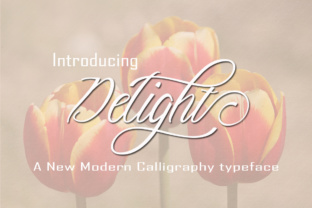
The world of digital design offers a staggering array of fonts, but few capture the timeless grace of calligraphy with the digital precision needed for modern projects. This is where the Delight typeface enters the picture. Delight is not merely a font; it is a crafted tool that brings an elegant, handwritten aesthetic to headlines, apparel, publications, and promotional materials. It bridges the gap between traditional artistry and contemporary design needs, offering fluid strokes and sophisticated letterforms that command attention without overwhelming a layout.
What makes Delight particularly interesting is how its value shifts depending on who is using it. A font is a utility, but its application and perceived worth are deeply personal and professional. For someone creating a wedding invitation, Delight might represent beauty and solemnity. For a marketing manager designing a boutique brand’s campaign, it could signify luxury and attention to detail. The same digital file serves vastly different human intentions.
Why Elegance in Type Matters Across Fields
Elegance in typography is often about subtlety and impact. Delight achieves this through its balanced curves and clean execution. It avoids the overly ornate or whimsical feel of some script fonts, leaning instead towards a refined, confident style. This makes it versatile. It can elevate a simple quote on a t-shirt into a statement piece, or transform a conference poster into an object of visual interest. The priority for any user becomes not just what Delight is, but what it can do for their specific communication goal.
For Beginners and Hobbyists: Accessibility and Immediate Results
If you're new to design, diving into complex font libraries can be intimidating. Delight offers a straightforward path to quality. Its elegance is baked into the design, meaning even a beginner using basic software can achieve a polished look by simply selecting Delight for a headline. The learning value is high—it introduces one to the power of typographic choice without requiring advanced customization skills. A hobbyist crafting personal greeting cards or a blog banner can instantly improve their project's presentation. The key consideration here is ease of use and the rewarding feeling of creating something beautiful quickly.
For Professionals and Freelancers: Reliability and Creative Flexibility
Graphic designers, freelance artists, and marketing professionals operate in a different space. Their need for Delight revolves around reliability, commercial viability, and creative flexibility. They must assess if the typeface has the necessary character set, if it pairs well with other fonts in a system, and if it renders perfectly across both print and digital mediums. A professional might use Delight for a client’s high-end restaurant menu, knowing it conveys sophistication. Their priority is quality and long-term usefulness—is this a font they can confidently use in multiple client projects over years, knowing it won’t trend out of style too quickly? The font becomes a trusted asset in their toolkit.
For Entrepreneurs and Small Business Owners: Branding and Commercial Value
For a business owner, every design choice is an investment in brand identity. Delight here is evaluated for its commercial value. Does it help the brand stand out? Does it communicate the desired ethos—perhaps artistry, care, or premium quality? A small craft brewery might use Delight for its limited-edition bottle labels, directly associating the product with craftsmanship. The cost of the font is weighed against its potential to enhance sales materials, website headers, and packaging. Their primary concern is presentation that converts, tying aesthetic directly to business growth.
Practical Applications in Everyday Projects
Let's move from theory to concrete examples. These scenarios illustrate how Delight adapts to context.
A blogger or educator might use Delight exclusively for the titles of their featured articles or course modules. This creates a consistent, elegant visual anchor that makes content feel more curated and authoritative without altering the readable body text. Their need is for clarity with a touch of distinctive style.
An event planner or creator in the wedding or party space could rely on Delight for all printed materials—invitations, programs, seating charts. The font unifies the visual theme and delivers the emotional tone of the event efficiently. Here, Delight solves a problem of coherence and aesthetic mood.
A content creator or marketer working on social media graphics might use Delight for key quotes or promotional slogans over images. In the fast-paced digital space, elegance can cut through clutter, making a post more memorable. Their priority is speed and impact in a crowded environment.
Evaluating Delight Against Your Own Needs
How do you decide if Delight is right for you? Start by looking at your typical projects. Do you often need a typographic element that conveys grace, artistry, or refined style? Then consider your medium. Delight shines in prominent positions—headings, logos, short statements on merchandise or posters. It is not designed for long body text paragraphs.
Think about your skill level. If you want a font that works beautifully with minimal tweaking, Delight’s inherent design strength serves that. If you are an expert requiring extensive ligatures or alternate glyphs for custom lettering, you’d need to verify the specific feature set of the Delight package you acquire.
Finally, reflect on your goal. Is it personal satisfaction, professional client work, or direct brand building? Delight carries a different weight in each scenario. For personal joy, it might be a perfect one-click solution. For commercial work, its appropriateness depends entirely on aligning with the client’s or brand’s target audience and message.
The Lasting Impression of a Well-Chosen Font
In the end, a typeface like Delight is about making a lasting impression. Whether that impression is on a guest holding an invitation, a customer viewing a poster, or a reader engaging with an online article, the choice matters. Delight offers a specific path to that impression—one of cultivated elegance. It democratizes beautiful calligraphic style, making it accessible to the beginner creating a personal project, yet holds the rigorous standards required by the professional completing a paid commission. Its usefulness is defined not by a generic feature list, but by the human context in which it is deployed. By understanding your own role—as a hobbyist, a business owner, a creator, or a designer—you can best assess whether Delight’s elegant voice is the right one for your next project’s story.