Ray Signature: A Modern Handwritten Font for Creative Projects
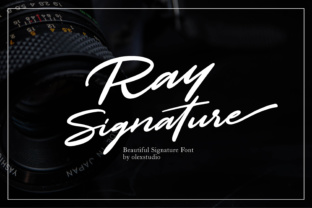
Imagine a signature—personal, flowing, full of character. Now imagine that same elegant touch applied not just to a name, but to your entire creative vision. Ray Signature is a beautiful, modern, handwritten typeface designed to bring that exact feeling of sophistication and authenticity to any project. It captures the grace of a handwritten script without the inconsistency, offering designers and creators a reliable tool for adding a human, artistic signature to digital work.
The Distinctive Character of a Signature Typeface
What makes a font like Ray Signature so interesting is its duality. It is meticulously crafted to ensure perfect kerning, balanced letterforms, and technical usability across software and platforms. Yet, its final appearance is deliberately organic, mimicking the natural flow of ink from a skilled pen. This balance is its core utility. You get the artistic flair and emotional resonance of custom calligraphy, combined with the practical reproducibility and flexibility of a digital font. This solves a common creative problem: how to maintain a high-end, personalized aesthetic while working efficiently on multiple items—from a single wedding invite to an entire brand suite.
The design of Ray Signature avoids overly dramatic swashes or extreme stylization. Its beauty lies in its refined modernity. The letters are clean and legible, ensuring your message remains clear, while the subtle variations in stroke weight and connecting flourishes provide that essential handwritten warmth. It feels contemporary, not archaic; professional, yet personal.
Unlocking Creative Possibilities Across Media
The applications for Ray Signature are as diverse as your ideas. Its primary strength is elevating any element that requires a sense of authorship, ceremony, or crafted beauty.
Consider wedding invitations and event stationery. Here, Ray Signature can transform the entire suite—the invite itself, place cards, thank-you notes, and programs. Using it for the couple’s names, date, or key headings instantly creates a cohesive, elegant, and custom feel, even if you’re designing digitally for print-on-demand services.
In branding and logo design, particularly for businesses built on personal service, artistry, or boutique offerings, Ray Signature offers a powerful tool. A logo incorporating this font can communicate craftsmanship, attention to detail, and a human touch. It works exceptionally well for brands in beauty, wellness, specialty foods, independent publishing, or creative studios. The key is to balance it with simpler, solid typefaces for body text and supporting information to ensure readability and brand stability.
Adapting Ray Signature for Different Audiences and Goals
The way you use Ray Signature should shift depending on who you are speaking to and what you aim to achieve. A freelance graphic designer might use it differently than a small business owner or a hobbyist creating gifts.
For marketers and entrepreneurs, focus on its ability to forge connection. Use Ray Signature in key marketing materials to highlight premium offers, personal testimonials, or the founder’s story. On a business card, it could beautifully render your name or your company’s tagline. On a poster for a local event, it could draw attention to the event title, making it feel special and community-oriented. The goal is to select one or two impactful elements per piece to apply the font, creating focal points of authenticity.
Bloggers, educators, and content creators can leverage Ray Signature to add a branded, personal signature to their digital work. It might serve as a distinctive style for blog post titles within a certain series, or for the headers of downloadable worksheets or guides. This creates visual consistency and a sense of curated, handcrafted content, even in a fast-paced digital environment. On social media graphics, using Ray Signature for quotes or key phrases can make those posts stand out with a more artistic, considered vibe.
Practical Inspiration for Projects
Let’s move from concepts to concrete examples. Here are a few project ideas that utilize Ray Signature in varied ways.
- Quote Art for Home or T-Shirts: Choose a meaningful quote and set it primarily in Ray Signature. Pair it with a minimalist geometric graphic or a simple background. The font carries the emotional weight, making the piece suitable for print-on-demand apparel or a framed art print.
- Personalized Stationery System: Design a coordinated set including a letterhead, notecard, and envelope flap using Ray Signature for your name or address. This project is perfect for freelancers, writers, or anyone wanting to elevate their physical correspondence.
- Special Offer or Certificate Design: Create a digital certificate for a workshop, a gift voucher for a small business, or a special sale announcement. Ray Signature on the words “Certificate,” “Voucher,” or “Exclusive Offer” immediately confers value and a sense of occasion.
- Book Cover or Publication Title: For an indie author, a zine, or a special report, using Ray Signature for the main title can suggest a literary, personal, or thoughtfully authored work, contrasting effectively with a simpler font for the author name and other details.
Guidelines for Effective and Consistent Use
To ensure your projects with Ray Signature remain clear, effective, and audience-friendly, follow a few grounded principles.
First, respect legibility. Ray Signature is best used for headlines, titles, names, short phrases, and decorative elements. Avoid using it for long body paragraphs, small legal disclaimers, or essential instructions. Its beauty is in its prominence, not in its density.
Second, establish a clear hierarchy. When Ray Signature is your primary attention-grabber, choose complementary fonts that support it. Simple sans-serif or classic serif fonts for supporting text create a balanced layout. This contrast prevents the design from becoming visually overwhelming and guides the reader’s eye logically.
Third, consider color and context. Ray Signature’s elegant lines can be rendered in classic black or navy for formal authority, or in softer pastels, metallics, or even white on dark backgrounds for a more romantic or contemporary feel. Always test the rendering on your final medium—whether it’s a textured wedding paper, a glossy business card, or the fabric of a t-shirt—to ensure the details remain crisp.
Finally, keep it original by combining the font with your own creative input. Ray Signature provides the aesthetic foundation, but your layout, color choices, supporting imagery, and content make the project uniquely yours. Don’t let the font do all the work; let it enhance your existing vision.
A Tool for Authentic Expression
In a world of digital communication, tools that reintroduce human texture are invaluable. Ray Signature is such a tool. It serves not as a shortcut, but as a bridge—connecting the efficiency of digital design with the emotional impact of handwritten art. Whether you are a professional designer crafting a client’s brand identity, an entrepreneur making your business cards feel more personal, or a hobbyist creating a gift that speaks from the heart, this typeface offers a path to work that feels both beautifully crafted and genuinely yours.
Its utility spans from the formally celebratory to the casually inspirational. By understanding its character and applying it with intentionality—focusing on key elements, maintaining clear hierarchy, and adapting its use to your specific audience—you can integrate Ray Signature into your workflow as a reliable source of elegant, modern authenticity. The result is design that doesn’t just look good, but feels considered and connected, leaving a signature impression on every project it touches.