Kalulla: The Brush-Pen Typeface for Elegant Design
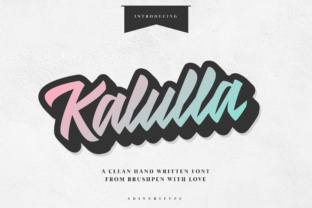
In the world of typography, where digital fonts dominate, there exists a special category that brings the warmth of human touch to the screen: handwritten typefaces. Among these, Kalulla stands out as a meticulously crafted font that bridges the gap between organic artistry and digital precision. Created with a brush pen and then digitized, Kalulla offers a unique blend of clean elegance and creative flair. It is a typeface designed not just to convey text, but to convey character.
What Is Kalulla? The Art of Digital Handwriting
Kalulla is a hand-written typeface. This means its foundational shapes and letterforms were first drawn physically, typically with a brush pen on paper, capturing the natural flow, pressure variations, and subtle imperfections of a human hand. This original artwork is then carefully digitized—each curve and stroke translated into vector paths with precision—to create a font file usable on computers and design software. The result is a font that retains the soul of handwriting but possesses the consistency and scalability of a digital tool.
Its style is described as clean and elegant. Unlike some chaotic or overly decorative script fonts, Kalulla maintains a disciplined flow. The letters are well-proportioned, with balanced ascenders and descenders. The brush-pen influence gives it soft, tapered ends and a gentle variation in stroke weight, reminiscent of skilled calligraphy. This balance makes it versatile: it feels artistic without being messy, and personal without being informal.
The Journey from Brush Pen to Pixel
The creation process of a font like Kalulla is a fascinating blend of old and new techniques. A designer starts with a vision for the letterforms. Using a brush pen—a tool that allows for both broad strokes and fine details—the designer drafts each character, often multiple times, to capture the right rhythm and connection between letters. This stage is purely analog, relying on the artist’s skill and intuition.
Next comes digitization. The chosen hand-drawn letters are scanned or photographed. Using specialized software like FontForge, Glyphs, or Adobe Illustrator, the designer traces these images, converting them into precise, mathematical vector outlines. This is where "precision" comes into play. Every node, curve, and path is adjusted to ensure the font renders perfectly at any size, from a tiny business card to a massive poster. The spacing between each letter (kerning) and the overall rhythm of the font (metrics) are meticulously tuned. The final step is exporting the font file (often in .OTF or .TTF formats) that can be installed on any system.
The Purpose and Significance of a Font Like Kalulla
Why does a carefully made handwritten font matter in a world with thousands of free fonts? The significance lies in emotional resonance and brand differentiation. In an age of digital communication, text can feel cold and impersonal. A typeface like Kalulla injects humanity into a design. It signals craftsmanship, attention to detail, and a touch of creative personality.
For businesses and creators, this is invaluable. It moves beyond mere text display to become a part of the brand's voice. When used correctly, it can make a company feel more approachable, artistic, or premium, depending on the context. Furthermore, its digitization ensures this personality is scalable and reproducible across all media, from print to web, maintaining brand consistency without losing its unique hand-crafted essence.
Common Misunderstandings About Handwritten Fonts
A common assumption is that all handwritten or script fonts are suitable for long body text or are inherently "casual." This is not true. Fonts like Kalulla, with their clean and elegant structure, are often designed for display purposes—that is, for headlines, logos, and short impactful text blocks. Using them for lengthy paragraphs can hinder readability. Another misunderstanding is that they are "unprofessional." In reality, the professionalism comes from application. A well-chosen, high-quality handwritten font like Kalulla, used sparingly and intentionally, can elevate a design's professionalism by showcasing thoughtful curation and brand identity.
Practical Relevance: Where and How to Use Kalulla
The versatility of Kalulla is one of its strongest assets. Its clean elegance allows it to adapt to various contexts without looking out of place. Here are some primary applications where Kalulla shines.
Brand Identity and Print Materials
In the realm of physical and digital print, Kalulla can be the cornerstone of a brand's visual identity.
- Letterheads and Business Cards: Using Kalulla for a company name or individual's title on a letterhead or business card immediately sets a tone of curated elegance. It suggests a business that values design and personal touch.
- Logo Designs: For businesses in creative industries—like boutiques, studios, cafes, or artisanal products—Kalulla can form the entire logo or be a key typographic element. Its handmade quality aligns perfectly with brands that emphasize craftsmanship.
- Posters and Headlines: In promotional posters, event banners, or website hero sections, Kalulla as a headline font grabs attention with its artistic flair while remaining legible and sophisticated.
Digital and Web Presence
Modern brands exist largely online, and Kalulla fits seamlessly into digital ecosystems.
- Website Headers and Callouts: Using Kalulla for key headings on a website can break the monotony of standard web fonts and create a memorable visual hierarchy.
- Social Media Graphics: For creating standout Instagram posts, Pinterest graphics, or YouTube thumbnails, Kalulla adds a designer’s touch that can enhance engagement.
- Email Marketing: A well-placed Kalulla font in an email campaign's subject line graphic or main header can increase open rates and brand recognition.
Creative Projects and Personal Use
Beyond commercial use, Kalulla is a fantastic tool for personal creativity.
- Invitations and Greeting Cards: Designing wedding invitations, birthday cards, or holiday greetings with Kalulla adds a layer of personalized, elegant artistry that generic text cannot.
- Art Prints and Quotes: For creators selling art prints or quote graphics, the font itself becomes part of the artwork, complementing illustrations or photography.
- Personal Branding: Freelancers, artists, writers, and consultants can use Kalulla in their portfolio websites or CVs to present a cohesive, stylish personal brand.
Kalulla in the Context of Modern Design and Technology
Kalulla represents a interesting trend in modern design: the desire for authenticity in a digital world. As technology enables perfect, geometric fonts, there is a counter-movement towards fonts that show human origin. This fits into broader themes in work, business, and daily life where people seek connection and genuineness.
In business, especially for small and medium enterprises, using a font like Kalulla can be a low-cost, high-impact way to differentiate from competitors using standard template fonts. In education and creativity, it teaches designers and students about the hybrid process of creation—melding analog skills with digital tools. For daily activities, even a non-designer using a word processor can choose Kalulla to add a special touch to a personal project, making technology feel more expressive and less sterile.
Best Practices for Using Kalulla Effectively
To maximize the impact of Kalulla, follow some simple guidelines.
- Pair it with a Simple Sans-Serif: For body text or supporting information, pair Kalulla with a clean, neutral sans-serif font (like Helvetica, Open Sans, or Arial). This creates balance and ensures readability.
- Use it for Emphasis, Not for Everything: Let Kalulla be the star for key words or headlines. Avoid using it for entire paragraphs or functional text like navigation menus.
- Mind the Color and Background: Because of its elegant details, Kalulla benefits from sufficient contrast. Use it on clean backgrounds or with colors that complement its style—often softer, sophisticated palettes work well.
- Respect its Spacing: Handwritten fonts often have unique spacing. Use the built-in kerning and avoid manually forcing letters too close together, which can disrupt its natural flow.
Building a Broader Understanding of Typography
Exploring a font like Kalulla opens a door to the wider world of typography. It illustrates that fonts are not just utilitarian tools; they are design elements with history, emotion, and purpose. Understanding the difference between a handwritten script, a geometric sans-serif, and a traditional serif font empowers anyone to make better design choices, whether for a multi-million dollar brand or a homemade greeting card.
Kalulla, specifically, teaches us that precision and personality can coexist. Its digital precision ensures it works flawlessly in the technologies that drive our modern communication. Its brush-pen personality ensures it carries a human warmth. This duality is perhaps its most valuable lesson: in our digital age, we can still design with a heart and a hand, even if the final medium is a pixel.
For general readers and aspiring designers alike, recognizing and appreciating fonts like Kalulla is a step towards more thoughtful and effective communication. It encourages looking beyond the default font menu and considering how typography shapes perception, conveys mood, and ultimately, tells a story beyond the words themselves.